The population inhabiting the region of Lisbon, Santarém and Almada at the beginning of the 8th century spoke a language derived from Latin, containing words of older origin and some of Gothic origin. These people gradually embraced Christian teachings and responded to the preaching of the clergy, who sought to fill the cultural and administrative void left since the end of the Roman Empire.
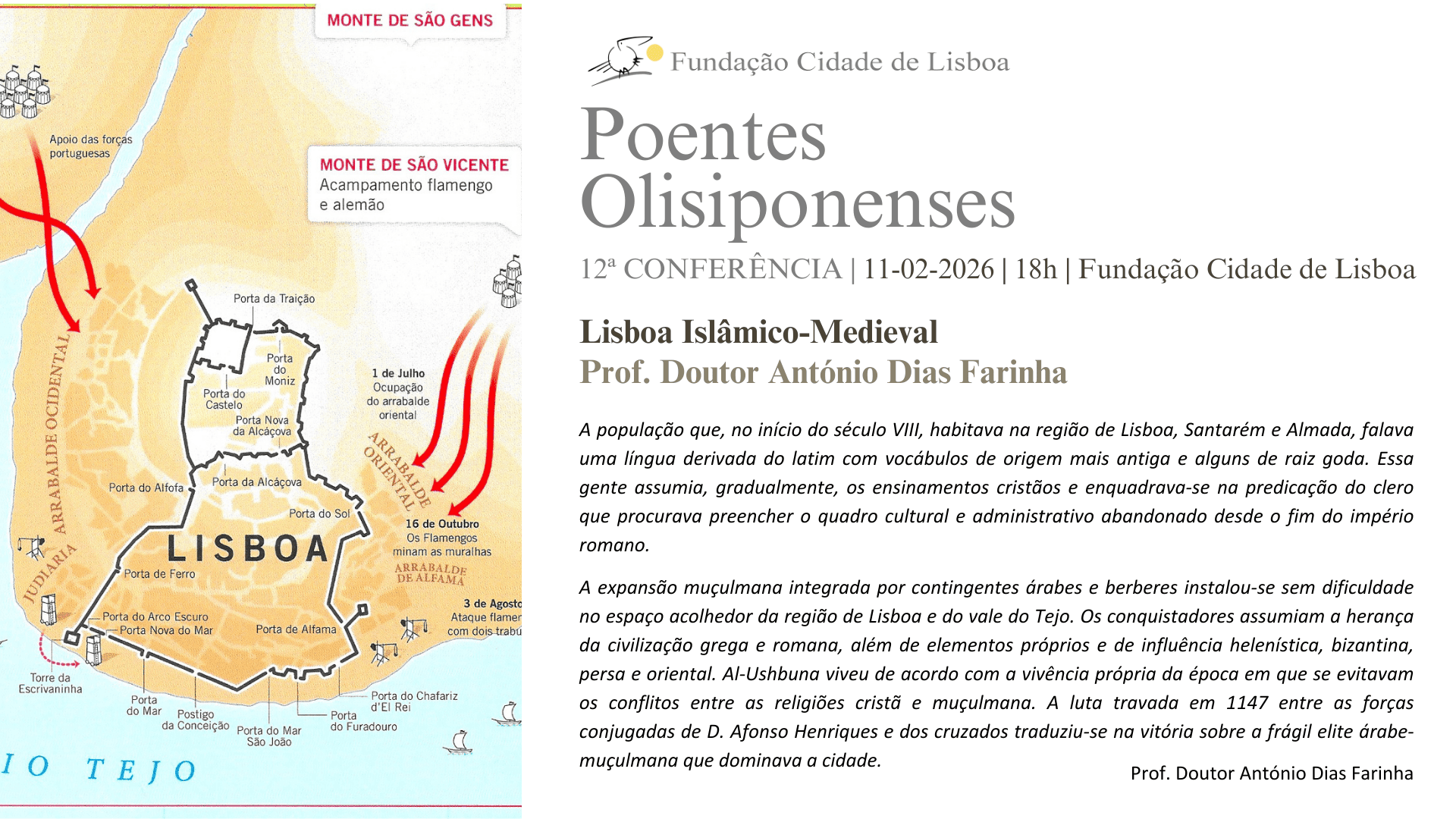
The Muslim expansion, comprising Arab and Berber contingents, settled without difficulty in the welcoming region of Lisbon and the Tagus valley. The conquerors embraced the heritage of Greek and Roman civilisation, alongside their own traditions and influences from Hellenistic, Byzantine, Persian and Eastern cultures. Al-Ushbuna lived in accordance with the spirit of the age, when conflicts between the Christian and Muslim religions were avoided. The battle fought in 1147 between the combined forces of Afonso Henriques and the Crusaders resulted in victory over the fragile Arab-Muslim elite that ruled the city.
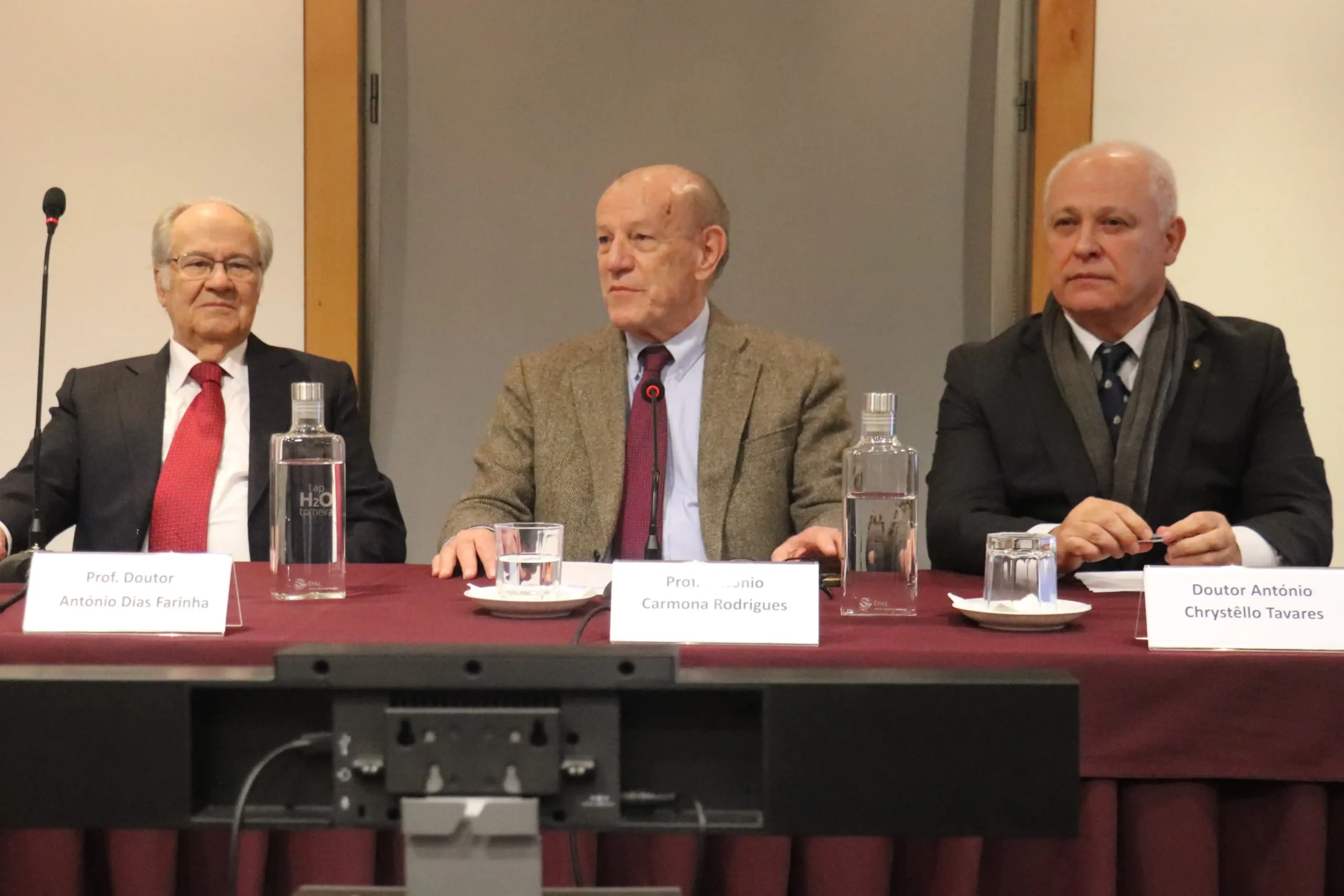
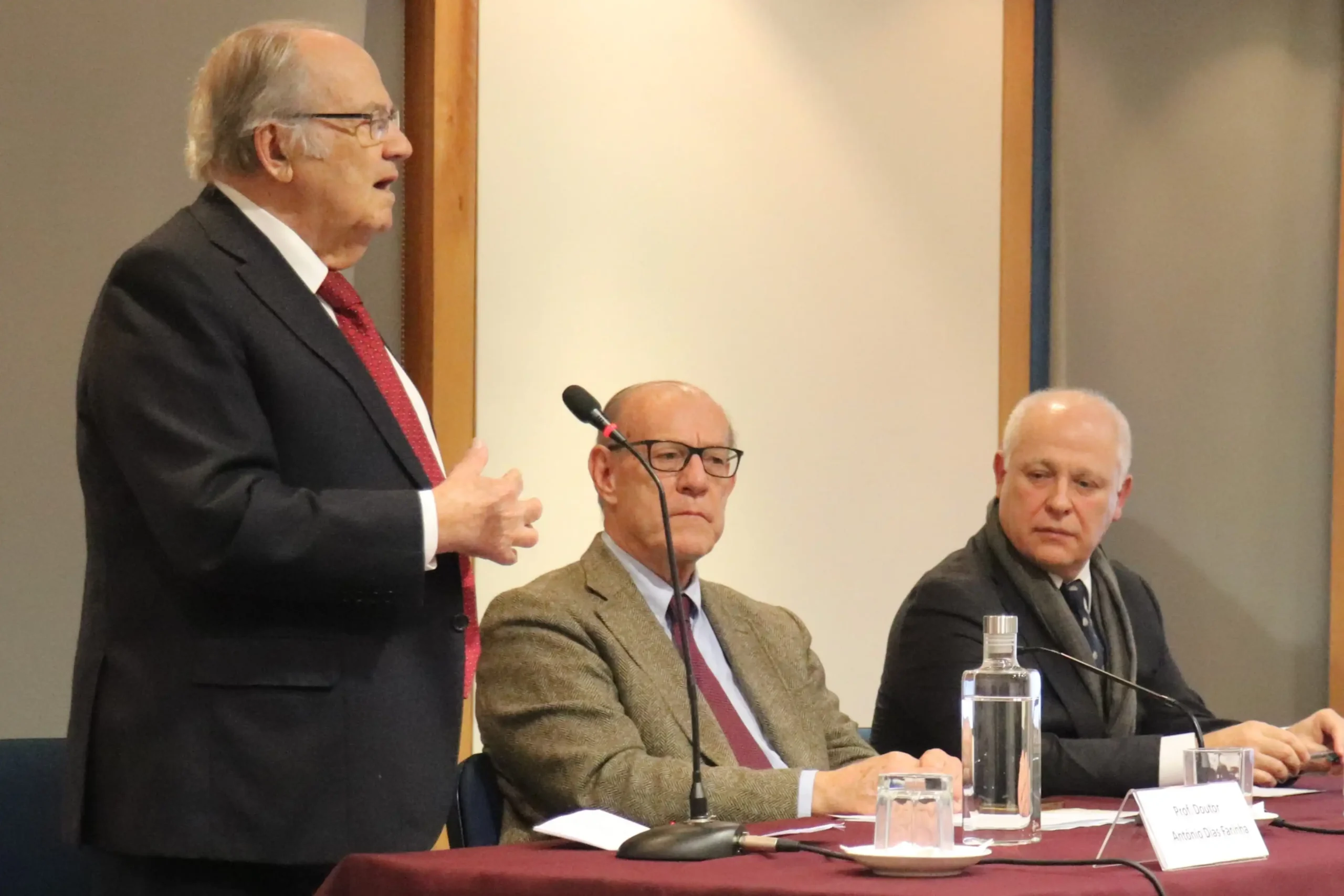
Professor António Dias Farinha.
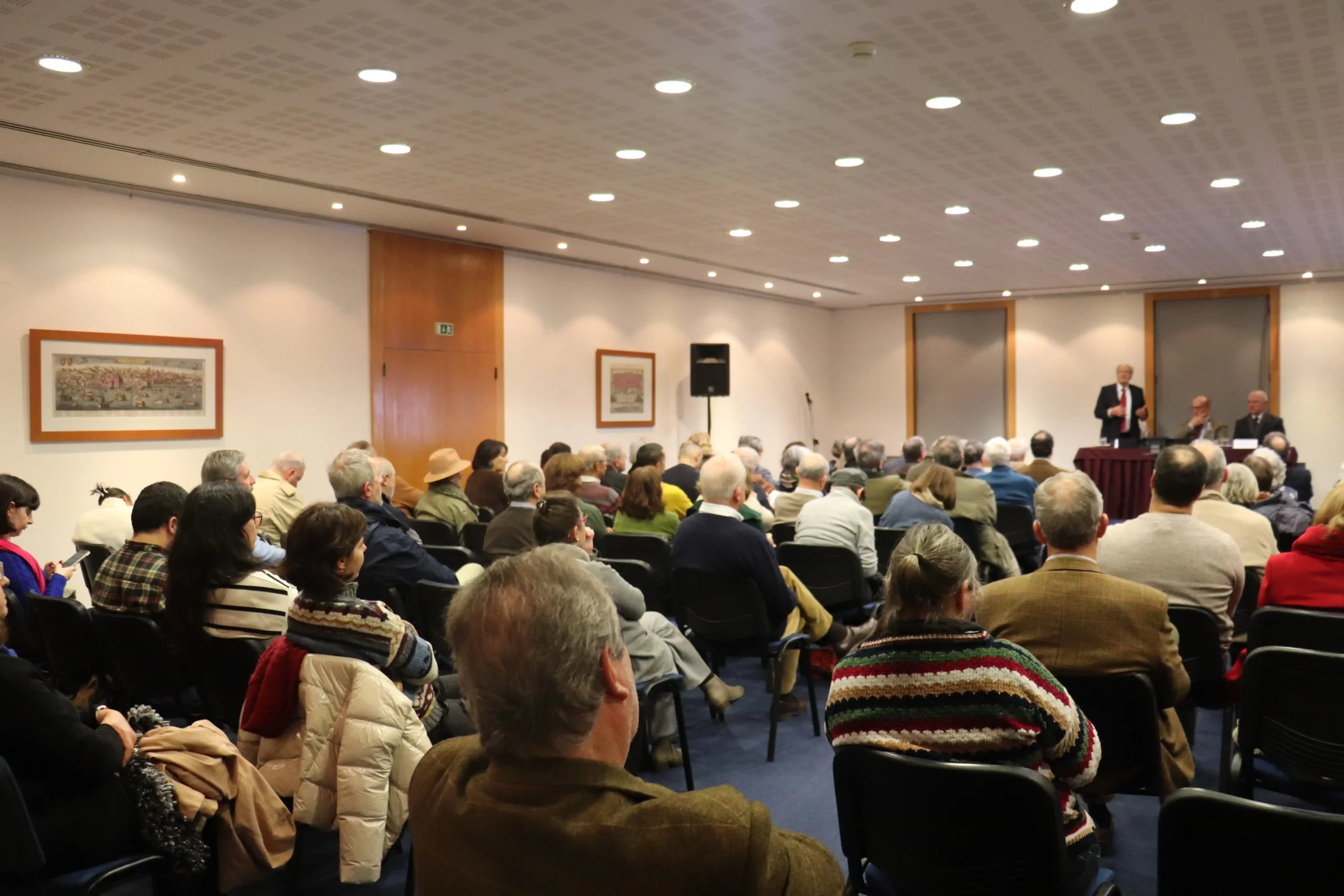
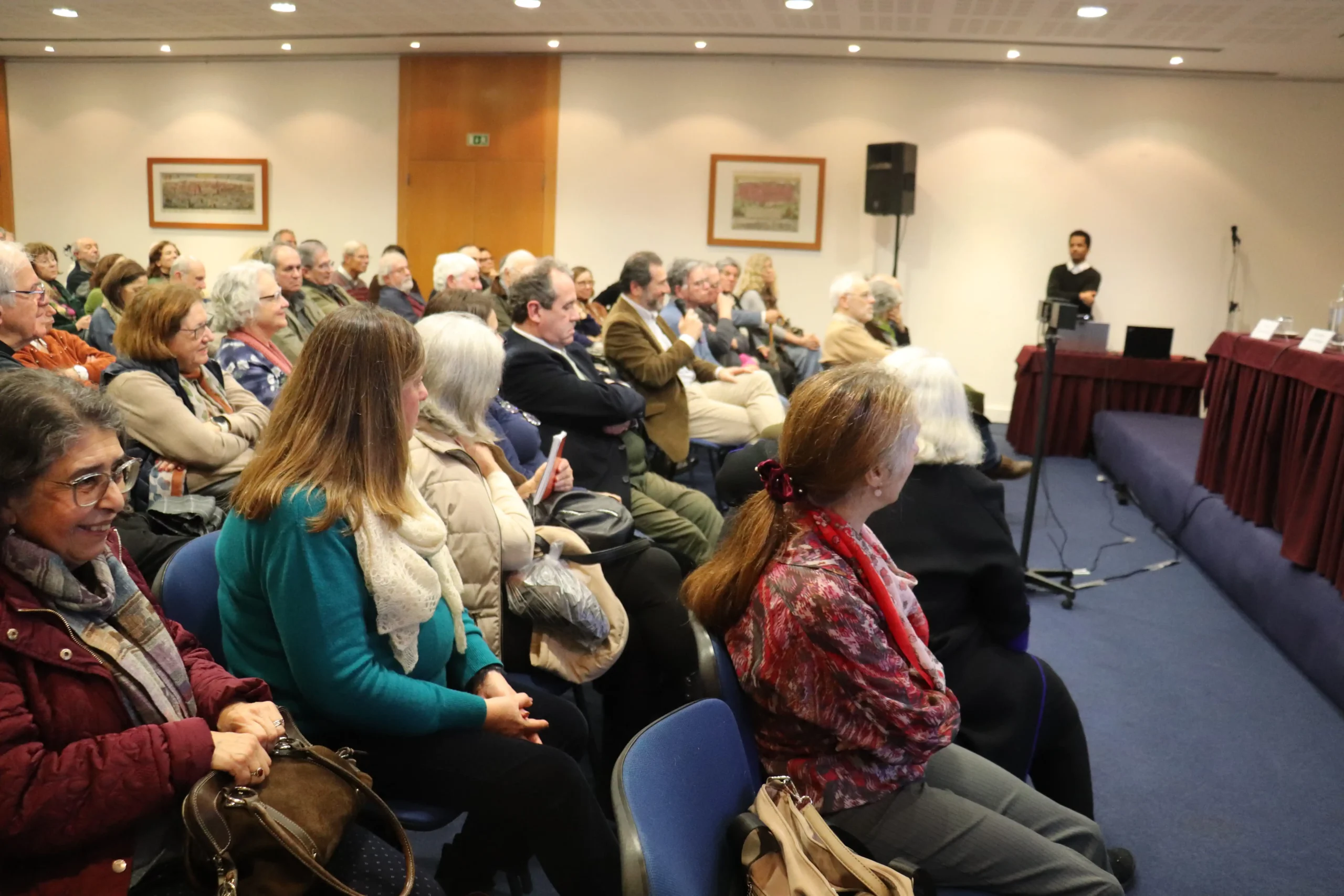
The conference “Lisboa Islâmico-Medieval” took place on 11 February 2026 at the premises of the Fundação Cidade de Lisboa. The session was part of the Poentes Olisiponenses lecture series and featured a presentation by Professor António Dias Farinha.