
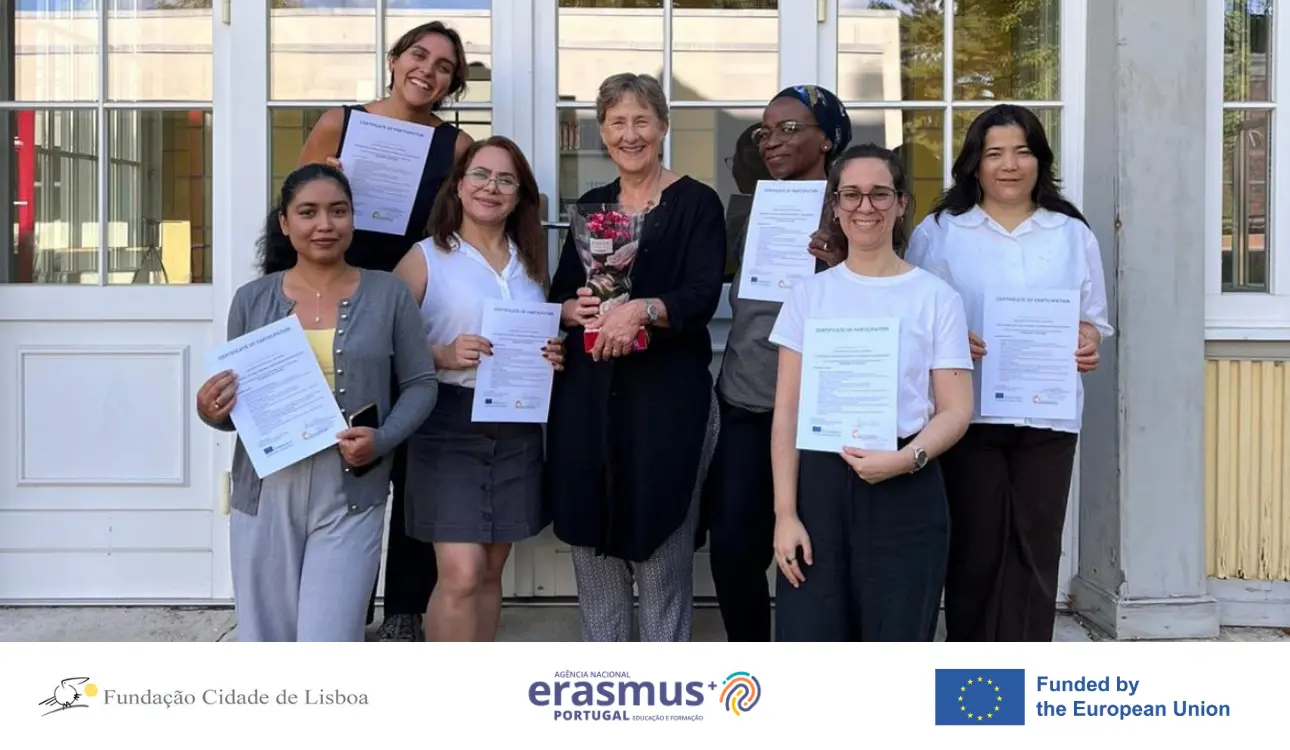
As part of the Erasmus+ AprendEU II project, the Lisbon City Foundation carried out a European mobility in Germany between the 18th and 20th of August, focused on intercultural learning, inclusion and women’s empowerment. The trainees were guided by project specialist Mariana Lindeza Antunes, who encouraged the participants to critically reflect on how they could apply the skills they had acquired in Portugal in their communities, in their work environments, and in their personal lives.


Erasmus+ KA1 courses
8th Erasmus+ Mobility: Our Learners Bring New Perspectives on Inclusion Home from Bad Kösen
The Konrad-Martin-Haus: a "folk high school" in Bad Kösen
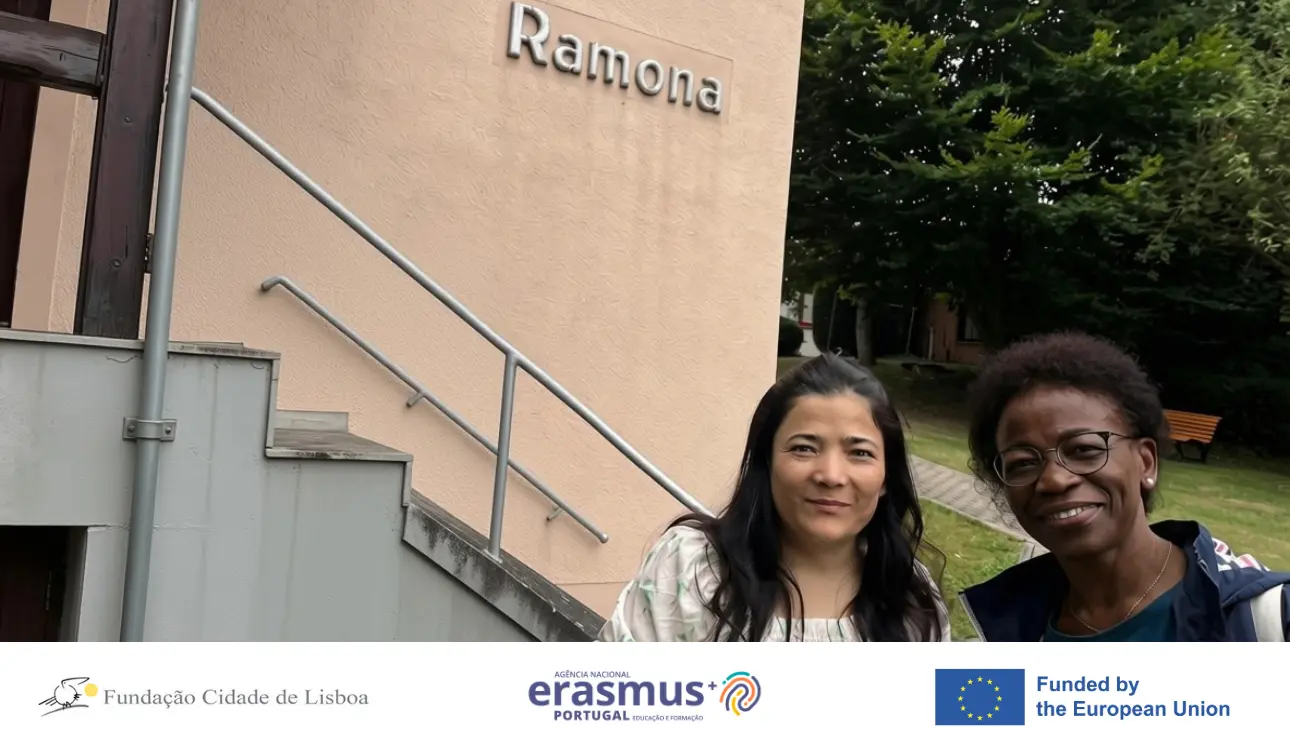
The training “Intercultural Learning, Inclusion and Women’s Empowerment” took place at the Konrad-Martin-Haus, in Bad Kösen, a town in the Naumburg region.
The institution is an adult education centre inspired by the Danish folk high school model, the so-called “people’s high schools”, a form of non-formal education that originated in 19th-century Denmark, with no exams or academic diplomas, designed for adults who want to learn through shared experience, community living and dialogue, typically in a short-term residential format.
This model is built on the idea that the most meaningful learning happens outside traditional school settings, through dialogue, civic participation and community life. Following this philosophy, the Konrad-Martin-Haus develops activities aimed at strengthening social and democratic skills, working in partnership with local organisations in the areas of inclusion, education for democracy and the empowerment of different community groups.
The programme: from Käthe Kruse's biography to community networks
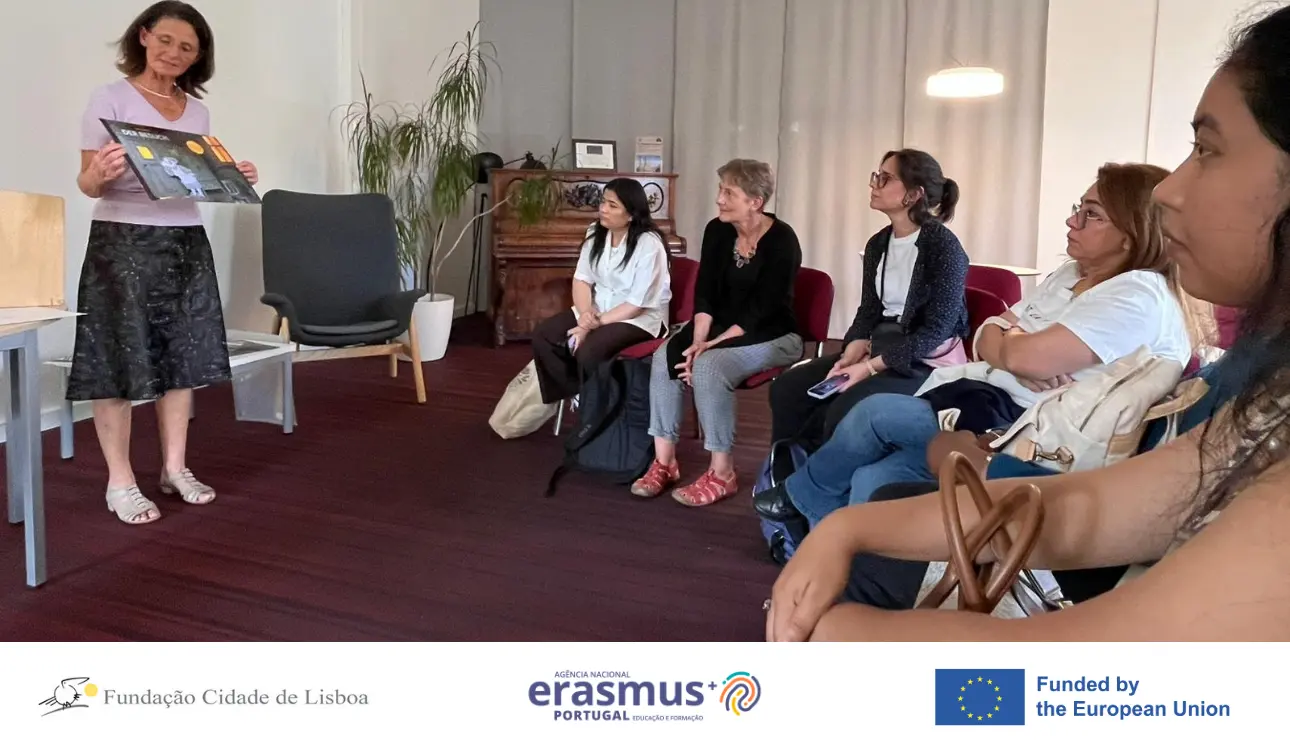
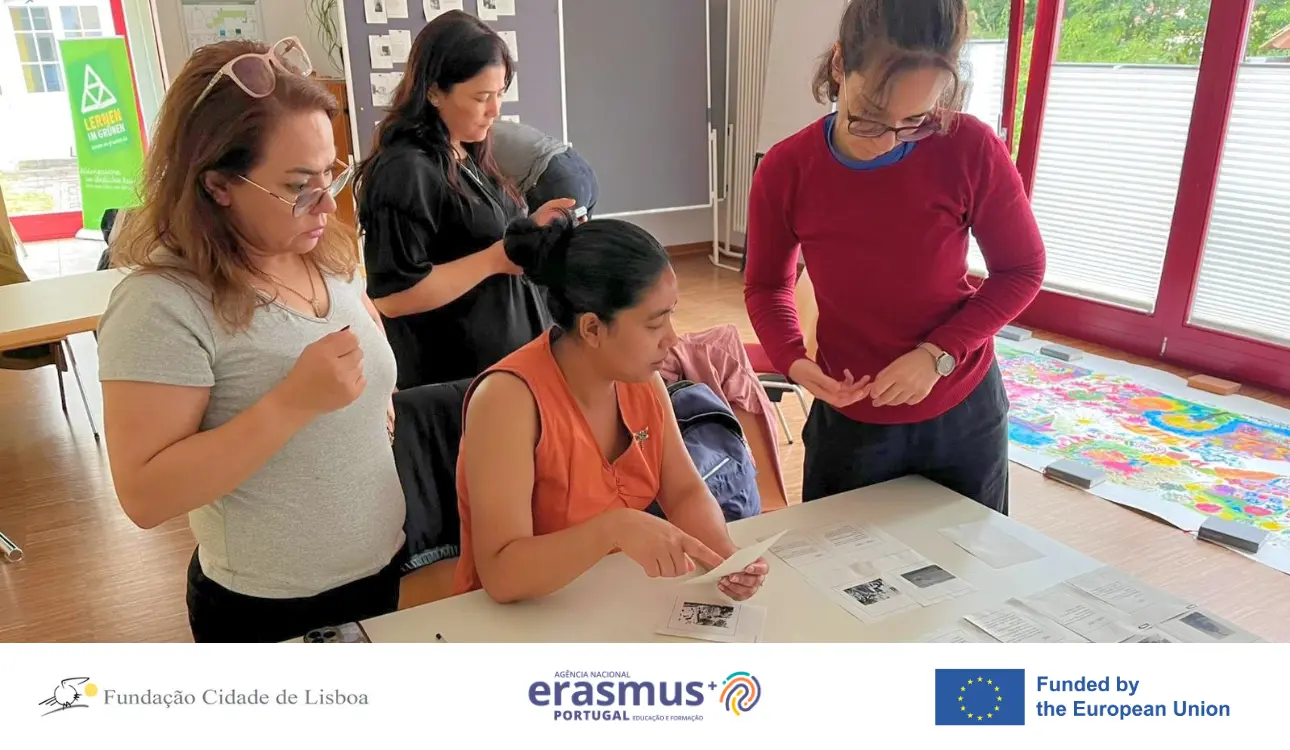
Over three days, the group from the Lisbon City Foundation got to know the history and values of the host institution up close, and took part in hands-on activities on European values.
One of the central moments of the training was work on the biography of Käthe Kruse, a European pioneer in handcrafted doll-making, used as a starting point to reflect on processes of empowerment and disempowerment for women throughout life.
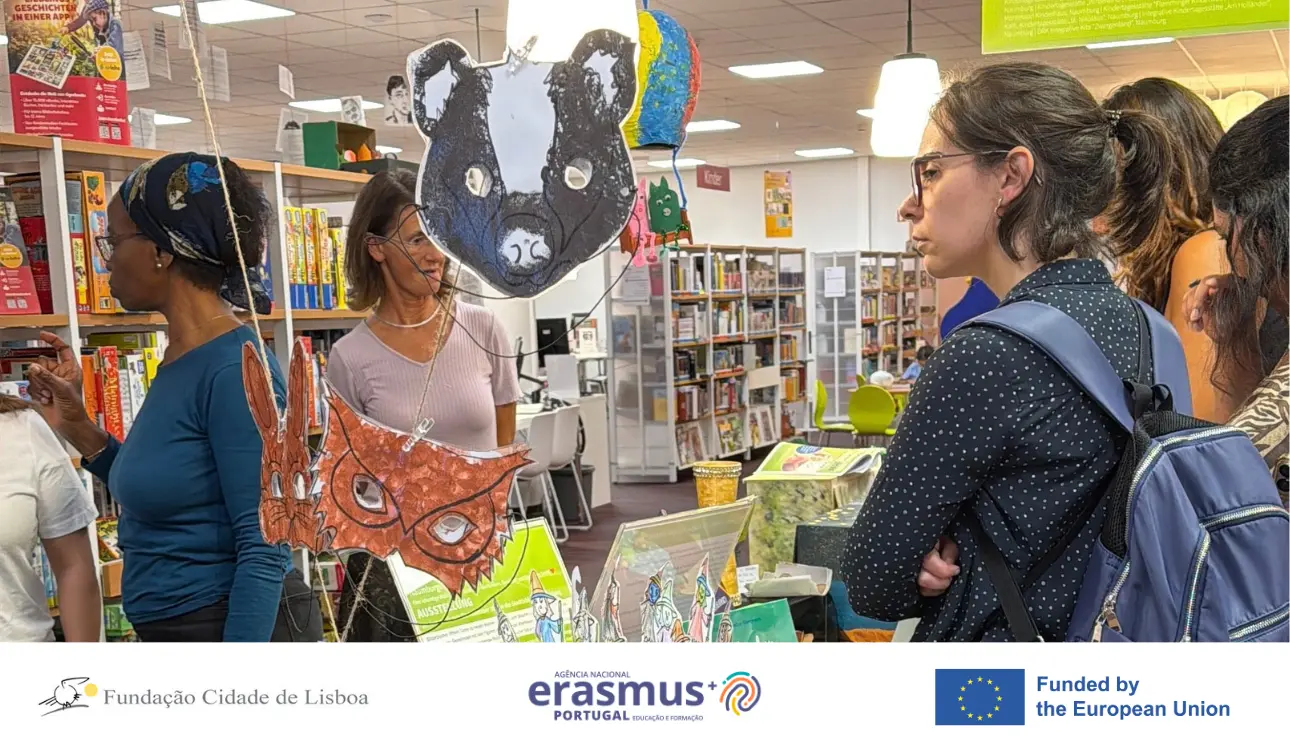
The group also visited local organisations such as the Familienbildungsstätte in Naumburg, which supports women who have recently migrated to Germany, and the municipal library, an example of how informal learning can serve the whole community.
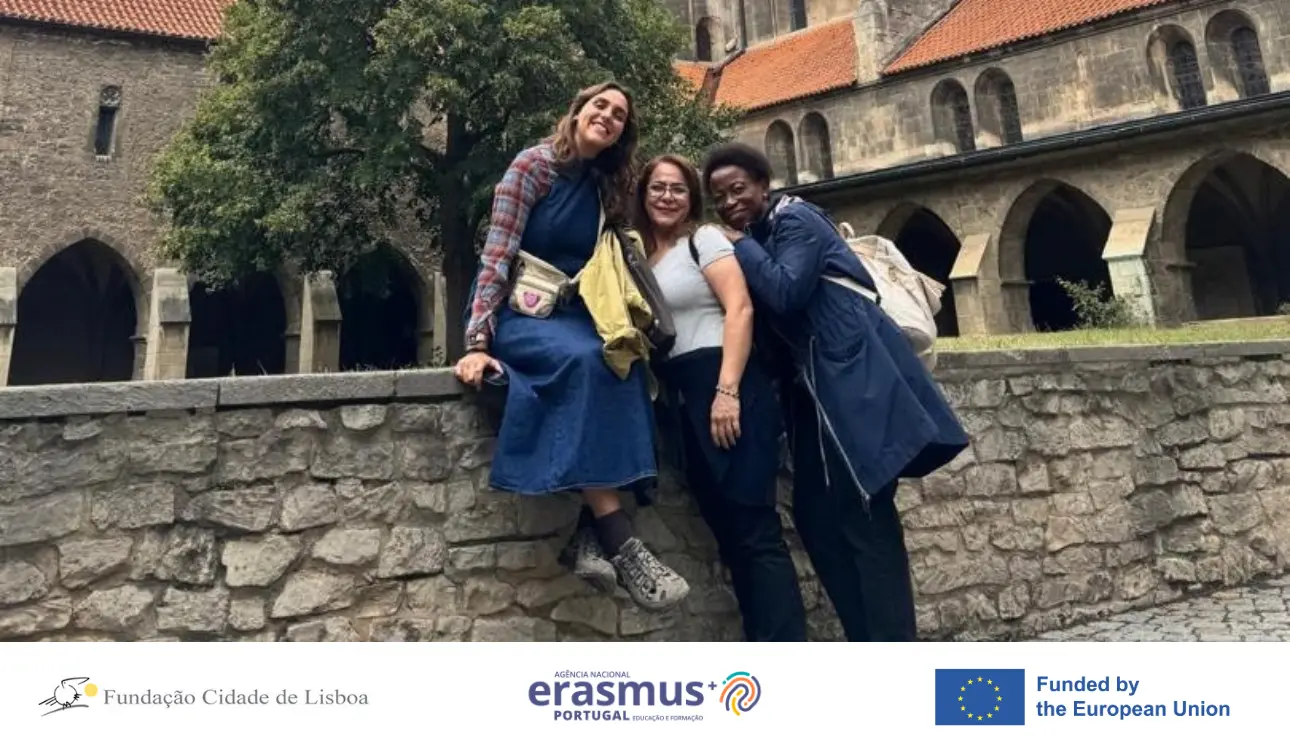
The programme also included a visit to Naumburg Cathedral, a UNESCO World Heritage Site, and a walk around Bad Kösen highlighting the history of women in the region.
The context: the AprendEU II project
This mobility is part of the objectives of the AprendEU II project, which aims to build the capacity of Fundação Cidade de Lisboa’s staff and learners through courses undertaken via mobility in other European countries.
What we brought back from this mobility?
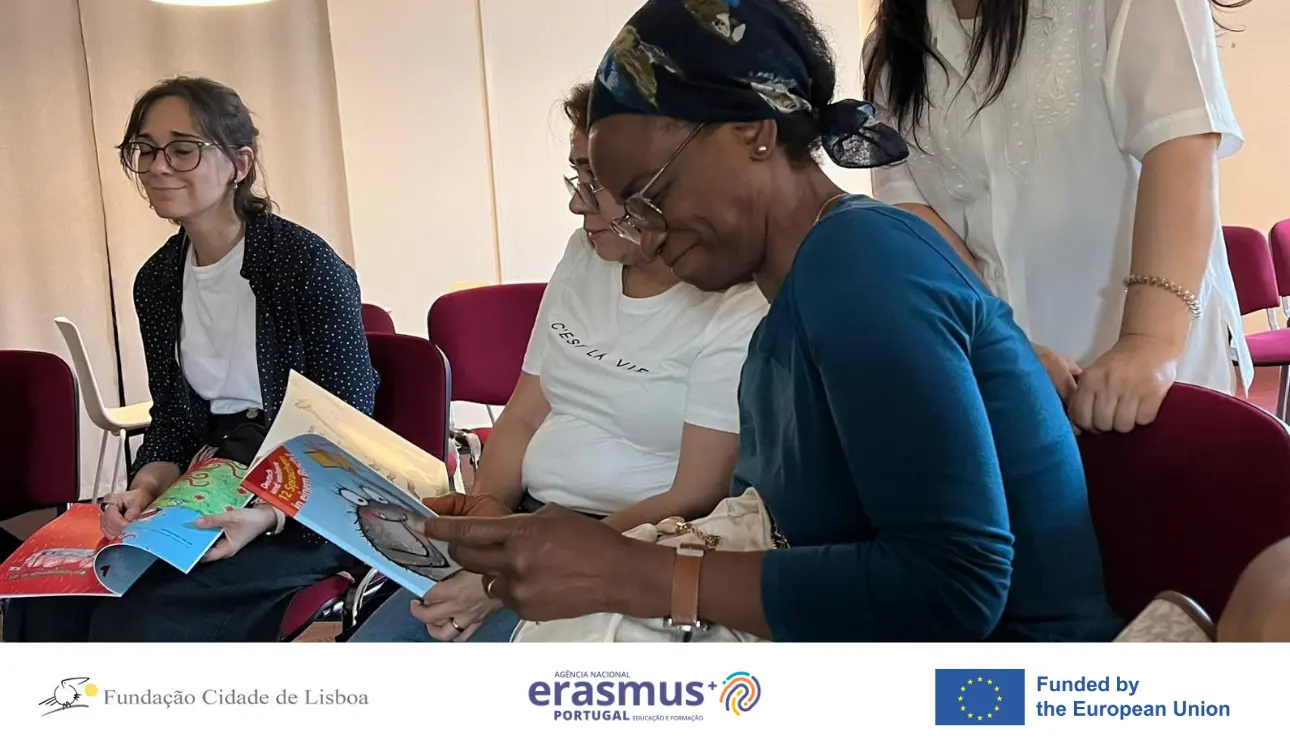
One participant noted that the experience “strengthened my communication, teamwork and interpersonal skills”, helping her feel “more confident communicating with people from different backgrounds” and to use “storytelling, educational materials and creativity” in learning activities.
Another participant said the mobility gave her “new ideas” about applying these approaches in educational and community contexts, drawing on prior professional experience alongside approaches to inclusion, empowerment and active citizenship.
Asked to define this mobility, the group chose terms such as “empowering, inspiring, intercultural”, a summary that captures the spirit of these three days in Bad Kösen well.
Erasmus+ KA1 courses
You might also be interested in
Explore related content
7th Erasmus+ mobility programme strengthens the skills of the FCL team
The exchange programme was organised in partnership with La Casa nel Parco ETS – Casa Gavoglio, a leading organisation in the promotion of community participation, interculturalism and social inclusion.
Erasmus+ KA1 courses Read more
16 European professionals have enhanced their skills in mediation and intercultural dialogue at the Fundação Cidade de Lisboa
The Lisbon City Foundation held the 6th edition of the Mediation and Intercultural Dialogue course between 11 and 15 May 2026.
Erasmus+ KA1 courses Read more
Erasmus+ Mobility in Denmark: Learning Beyond the Classroom with Art, Nature and Culture
As part of the Erasmus+ Accreditation, which enables the Fundação Cidade de Lisboa (FCL) to carry out mobilities within the European Union for its staff.
Erasmus+ KA1 courses Read more