
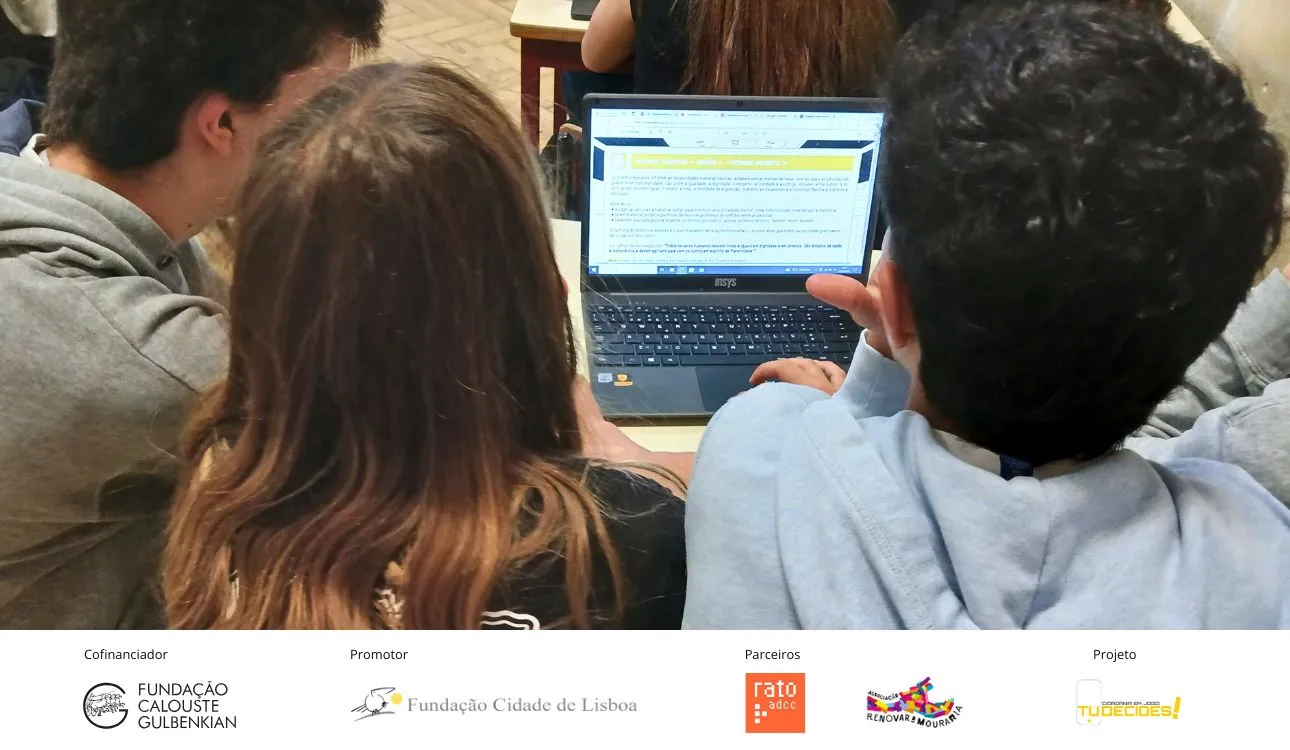
One of the challenges presented to the 160 students who participated in the experimental phase of the game was the submission of a citizenship action proposal. Through the platform, students had the opportunity to enter their action proposals and, collaboratively, comment on and vote for ideas presented by other teams. This democratic process encouraged debate, critical thinking, and student engagement with causes relevant to both their school community and society at large.


Citizenship at Stake: You Decide!
Cidadania em Jogo: TU decides! – Students move from the game to practice with real action proposals
Citizenship actions focused on inclusion and diversity
The initial proposals revealed a strong concern for themes such as child poverty, domestic violence, racism, and xenophobia. One group suggested organising a fundraising campaign for vulnerable children, including the distribution of food, clothing, and school supplies. Other groups proposed charity dinners, plays with social themes, lectures, and cultural events to promote respect for diversity and interculturality.
Xenophobia and racism were addressed creatively, with suggestions such as cultural fairs featuring gastronomy, music, and traditional dress from different countries, as well as awareness sessions in collaboration with teachers and associations. There were also proposals centred on the rights of domestic violence victims, highlighting the creation of support posters and the promotion of helplines.
Active citizenship that begins with a game
The students’ proposals demonstrate a strong sense of social responsibility and show that young people are ready to act and inspire others. Many of these ideas can be implemented in schools with the support of the educational community, serving as an example for other young people.
Are you a secondary school teacher (Key Stage 3) and would like to try the game with your class? You can still sign up here! We look forward to welcoming you and your students on this very special journey!
Citizenship at Stake: You Decide!
You might also be interested in
Explore related content
“FOCO na Inclusão” Project Creates Good Practice Guide for Community Engagement in Vulnerable Contexts
The training of volunteer tutors in the FOCO na Inclusão project aims to equip them with the tools needed to conduct tutoring sessions in the most effective way.
Education and Pedagogical Innovation Read more
TOD@S ON Digital Guide: An Innovative Response to Educational Needs
In collaboration with the Alvalade Parish Council, the Alvalade School Cluster and Associação Par – Respostas Sociais, Fundação Cidade de Lisboa launched the TOD@S ON Digital Guide, an essential resource developed as an innovative response to the challenges posed by the Covid-19 pandemic.
Education and Pedagogical Innovation Read more
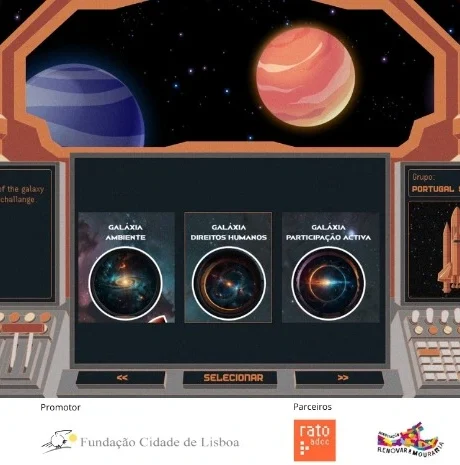
Fundação Cidade de Lisboa Launches Innovative Project for Youth: “Cidadania em Jogo: TU decides!”
The Fundação Cidade de Lisboa is implementing the project "Cidadania em Jogo: TU decides!", a pioneering initiative that aims to empower youth in the 3rd cycle of basic education in democratic literacy and civic participation.
Education and Pedagogical Innovation Read more